

Improve in‑building coverage for offices, warehouses and commercial buildings
Eliminate mobile signal blackspots and improve your in‑building coverage. We provide assured 4G/5G connectivity for offices, warehouses, retail stores, transport hubs and stadiums – delivering uninterrupted calls, faster mobile data, and seamless connectivity across all mobile networks, all for a monthly fee.
2000+
Buildings connected
Bringing assured mobile signal to over 37 million sq ft of indoor space








What is a distributed antenna system (DAS)?
A DAS is the connectivity workhorse for the largest, most challenging buildings. Whether construction materials are blocking the outdoor signal or too many people are trying to use their phones at once, a distributed antenna system provides consistent, reliable coverage across single buildings and multi-building campuses.
Connecting securely to the mobile operators’ networks, a DAS delivers guaranteed quality of service for the highest-footfall, most complex environments – providing dedicated signal across every floor, including basements, lifts and even outdoors.
Freshwave designs, installs, monitors and maintains multi-operator DAS installations that are carrier-grade and mobile operator approved, so every user gets the assured connectivity they can depend on, regardless of their network. As a neutral host, we deliver all UK operator approved technology, giving all users seamless coverage wherever they need it.
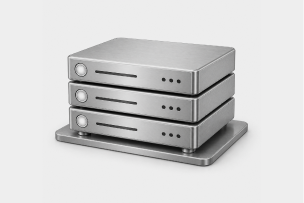
Distributed antenna systems (DAS)
A DAS distributes mobile signal through a network of antennas across large, busy or complex buildings – stadiums, airports, hospitals and multi-building campuses. It carries all four UK operators through one system, scales from a single floor to multi-million-sq-ft estates, and provides guaranteed service quality across a wide area.
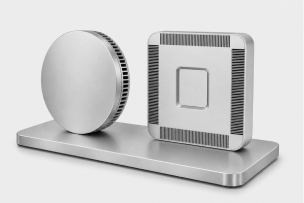
Indoor small cells
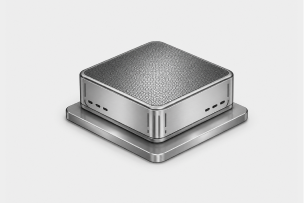
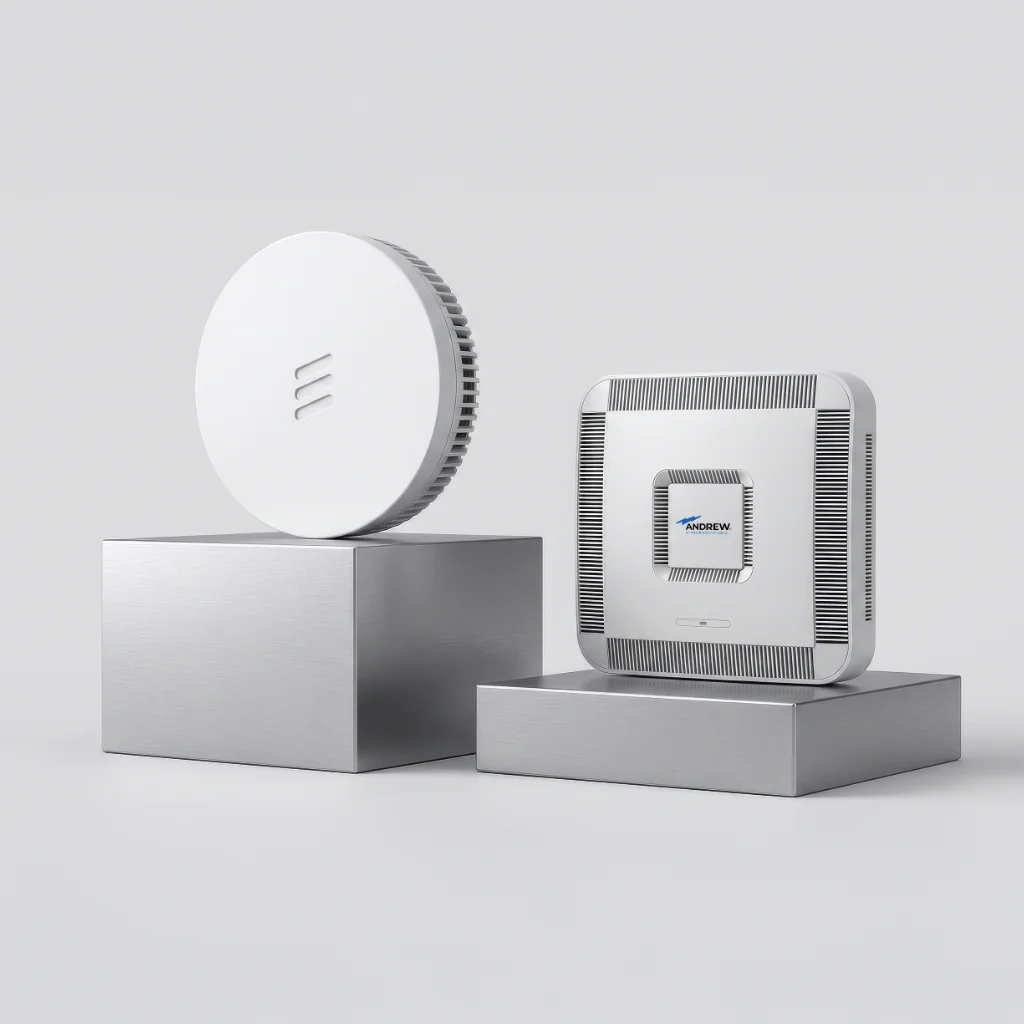
An indoor small cell is a low power and sustainable coverage solution. It’s scalable and can be deployed wherever you need signal, from single floors to multi-million-sq-ft buildings. They’re similar in size and shape to a Wi-Fi access point.
Private networks
A private network gives a factory, port, trading floor or hospital its own dedicated licensed spectrum. Different purpose to a DAS: private networks are about dedicated capacity and control, a DAS is about extending public operator coverage indoors.
Wi-Fi
Wi-Fi can’t handle the number of users mobile can, and needs users to connect to it. It’s great for back of house, meeting rooms, and multi-device and non-SIM device use, complementing a DAS rather than replacing it.
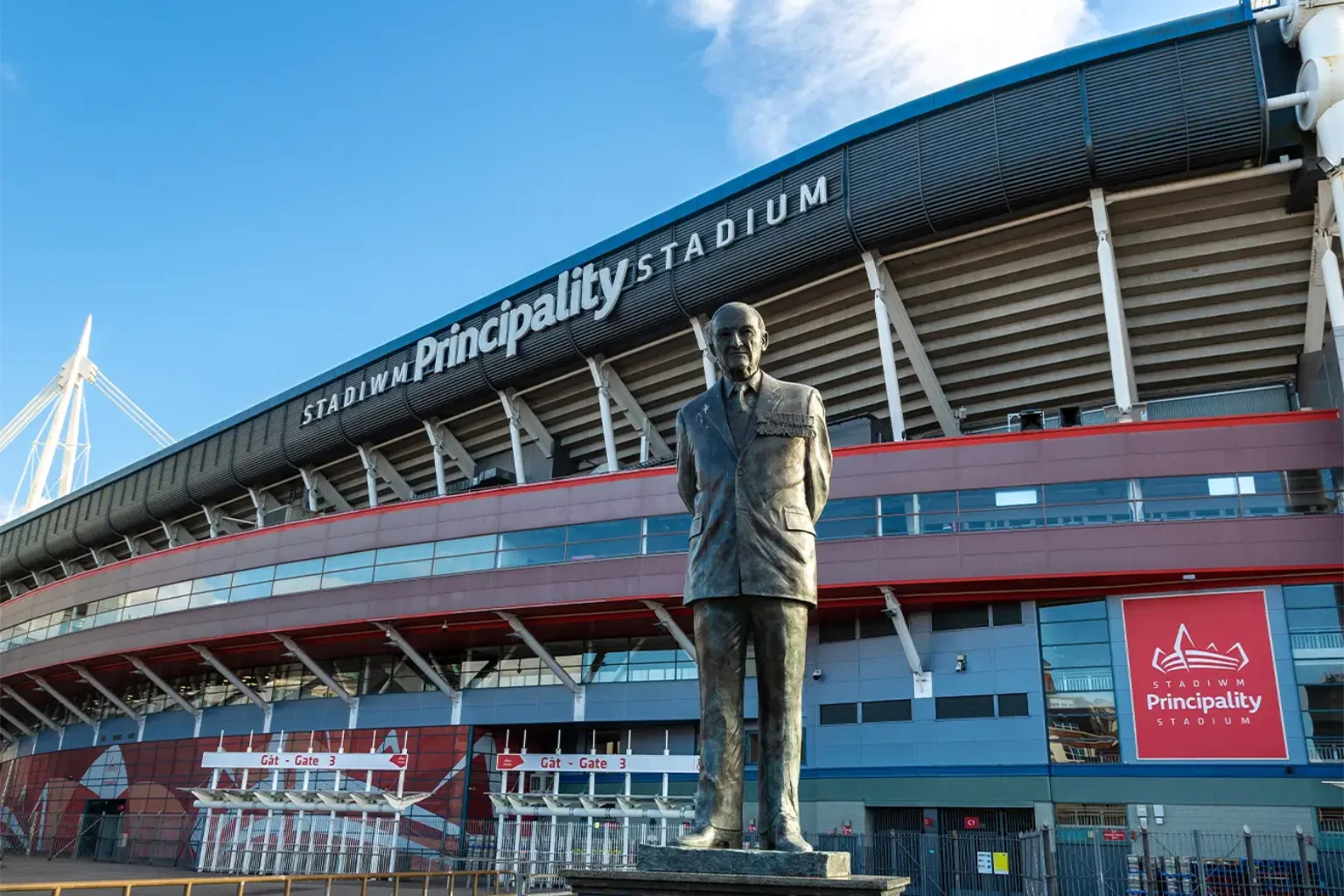
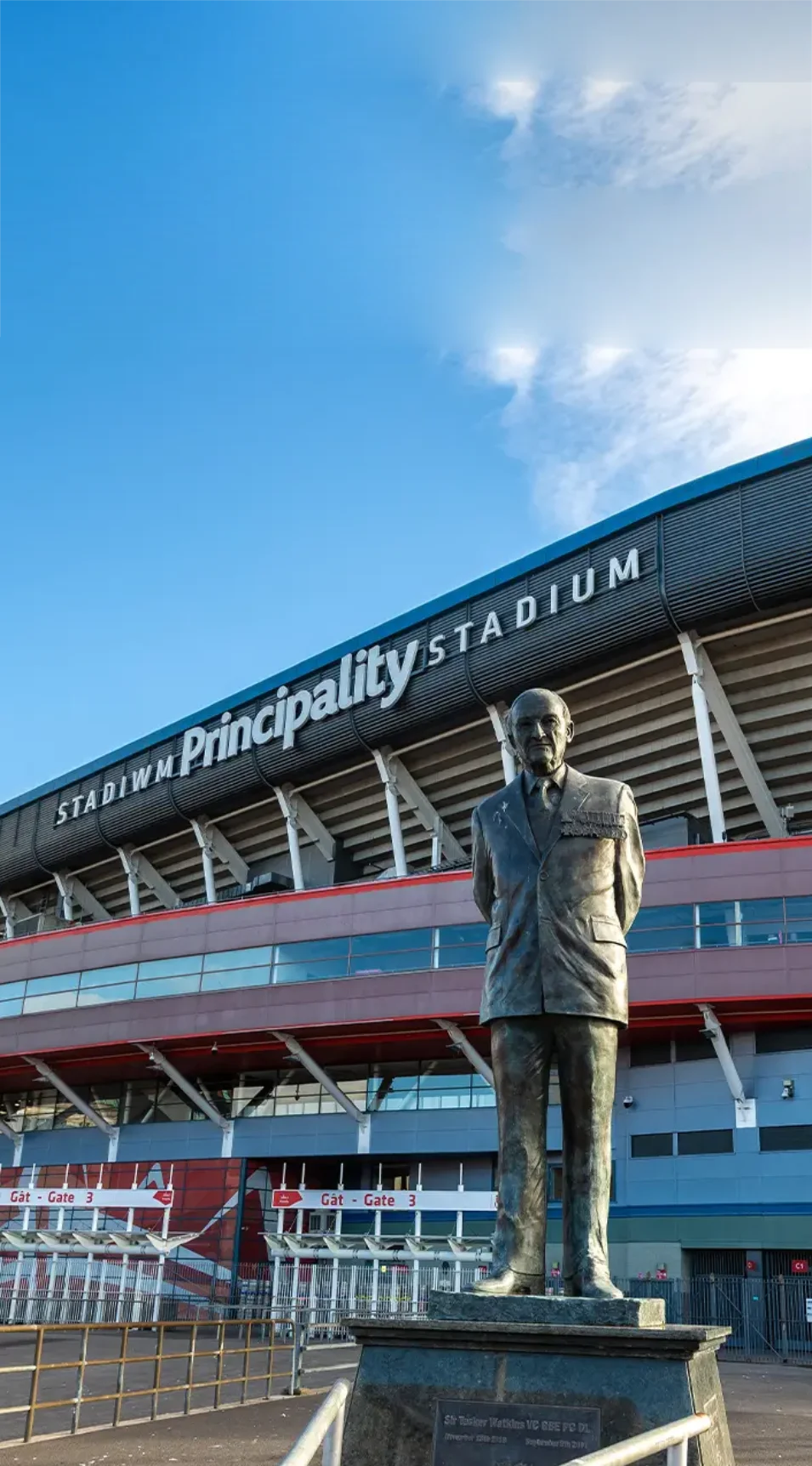
Freshwave brings neutral host mobile connectivity to the Principality Stadium
Principality Stadium in Cardiff, Wales, is not only the spiritual home of Welsh rugby, but also a multi-faceted event venue, hosting everything from the Olympics to global superstars on billion-dollar concert tours.
3.3 TB
Of data consumed by attendees at Taylor Swift’s June 2024 concert
The challenges of indoor and outdoor connectivity
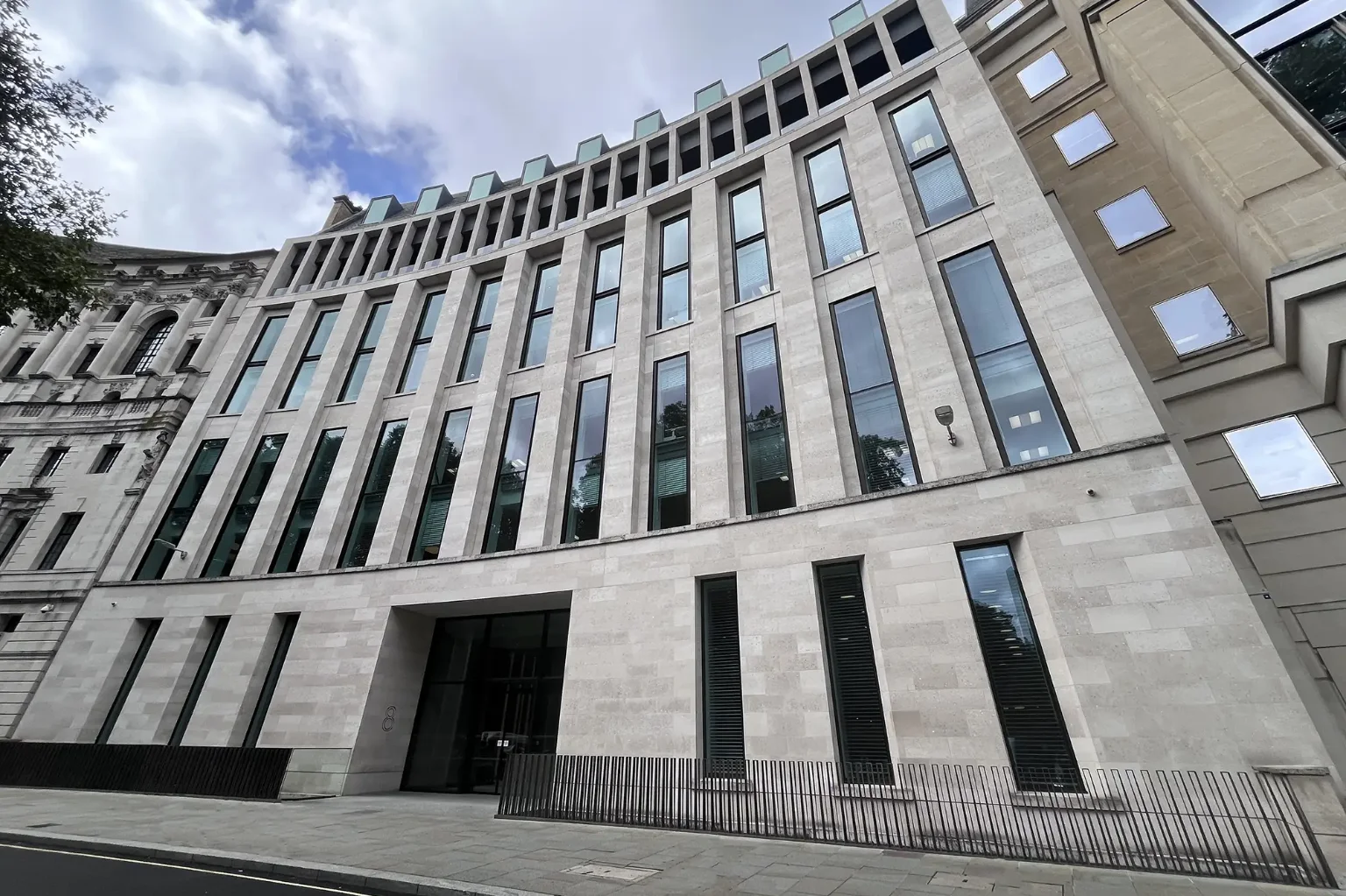
Thick walls, energy-efficient materials such as low-e glass, steel and dense concrete are great for sustainability but often block mobile signal from entering the building.
Lift shafts
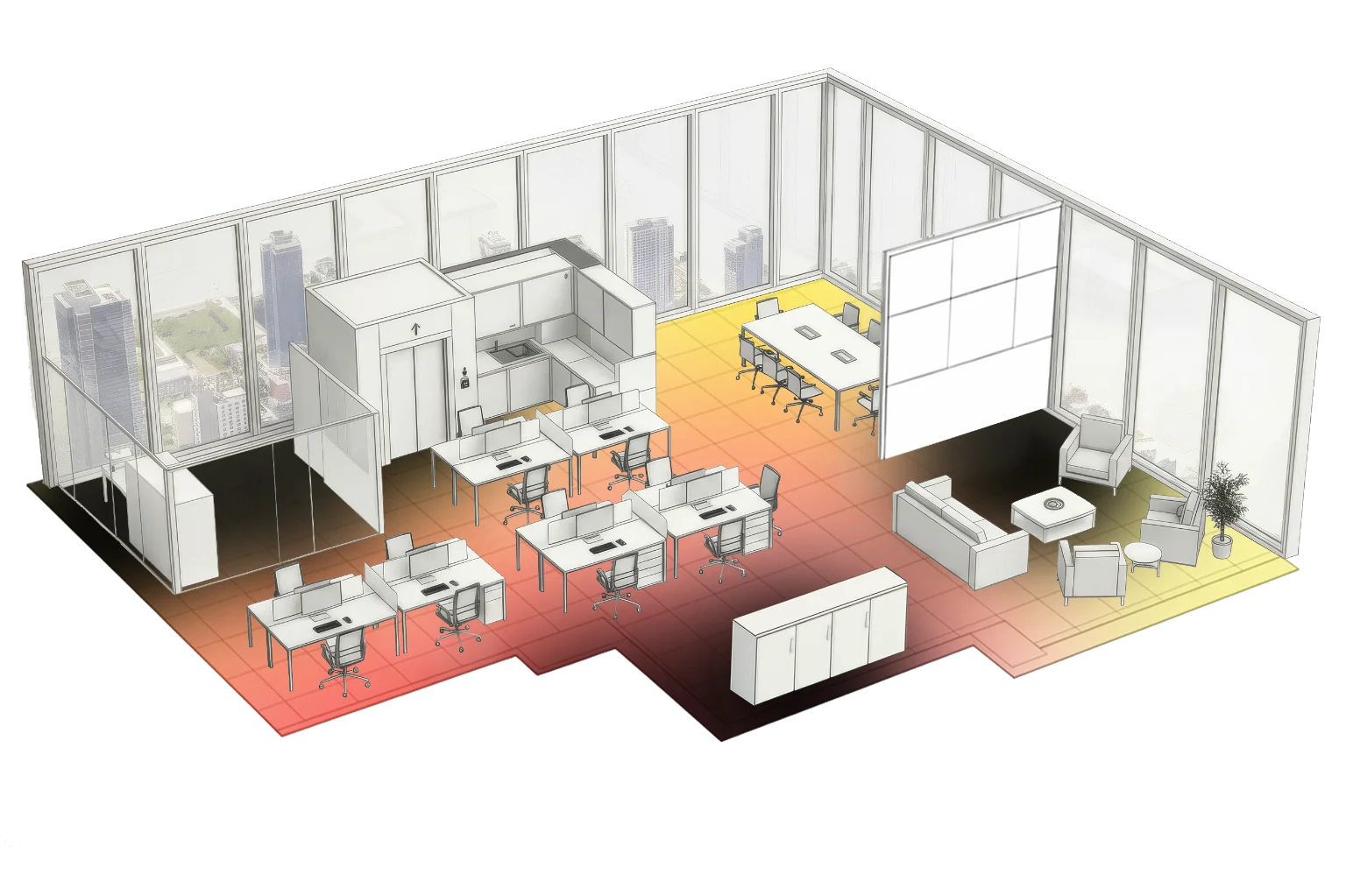
Lift shafts are typically surrounded by dense concrete and metal that block signal.
Windows affect signal
Modern windows can block or weaken mobile signal, preventing outdoor network coverage from reaching inside.
Building layouts
Large floorplans and internal walls can disrupt signal propagation and create coverage gaps.
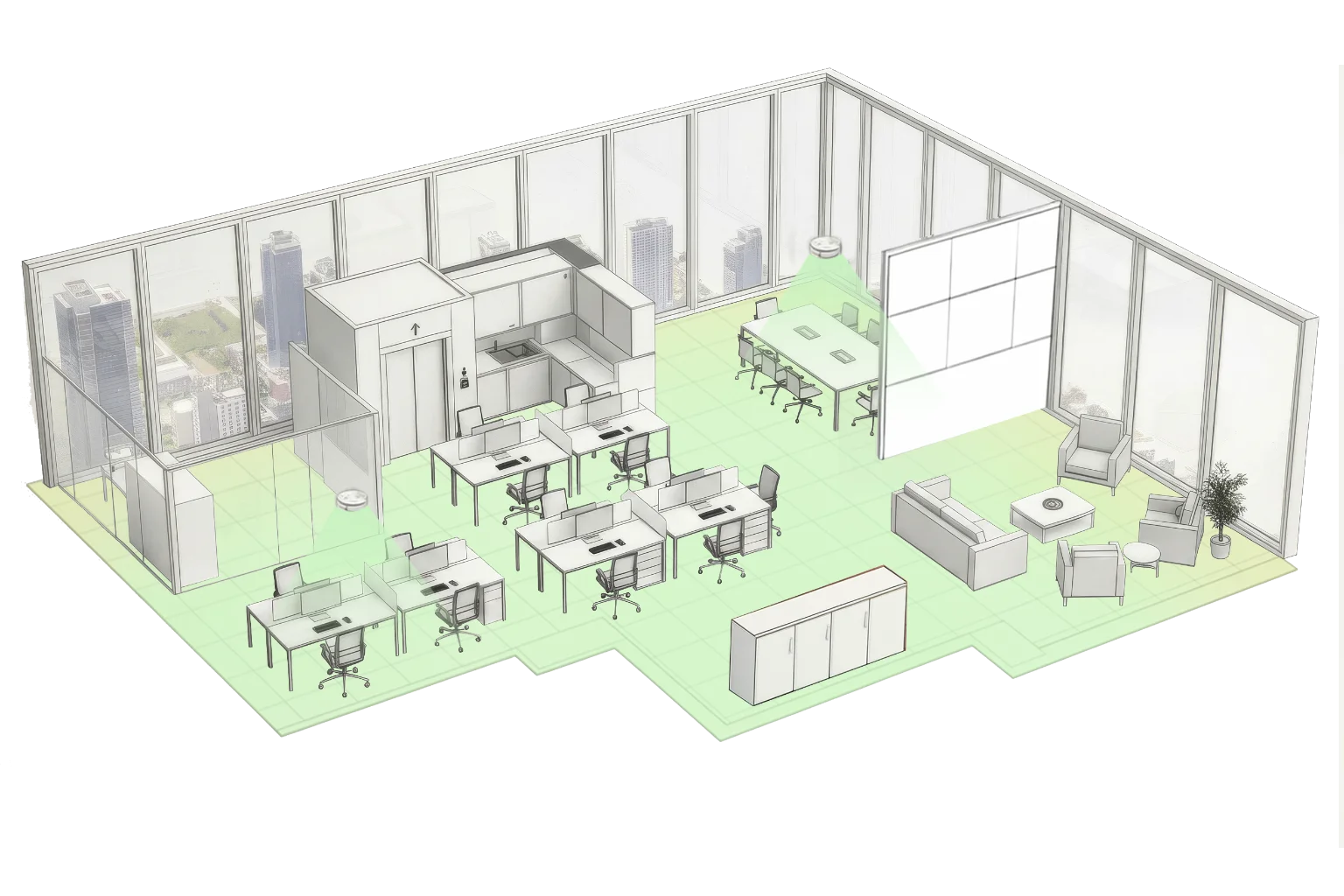
Lift signal
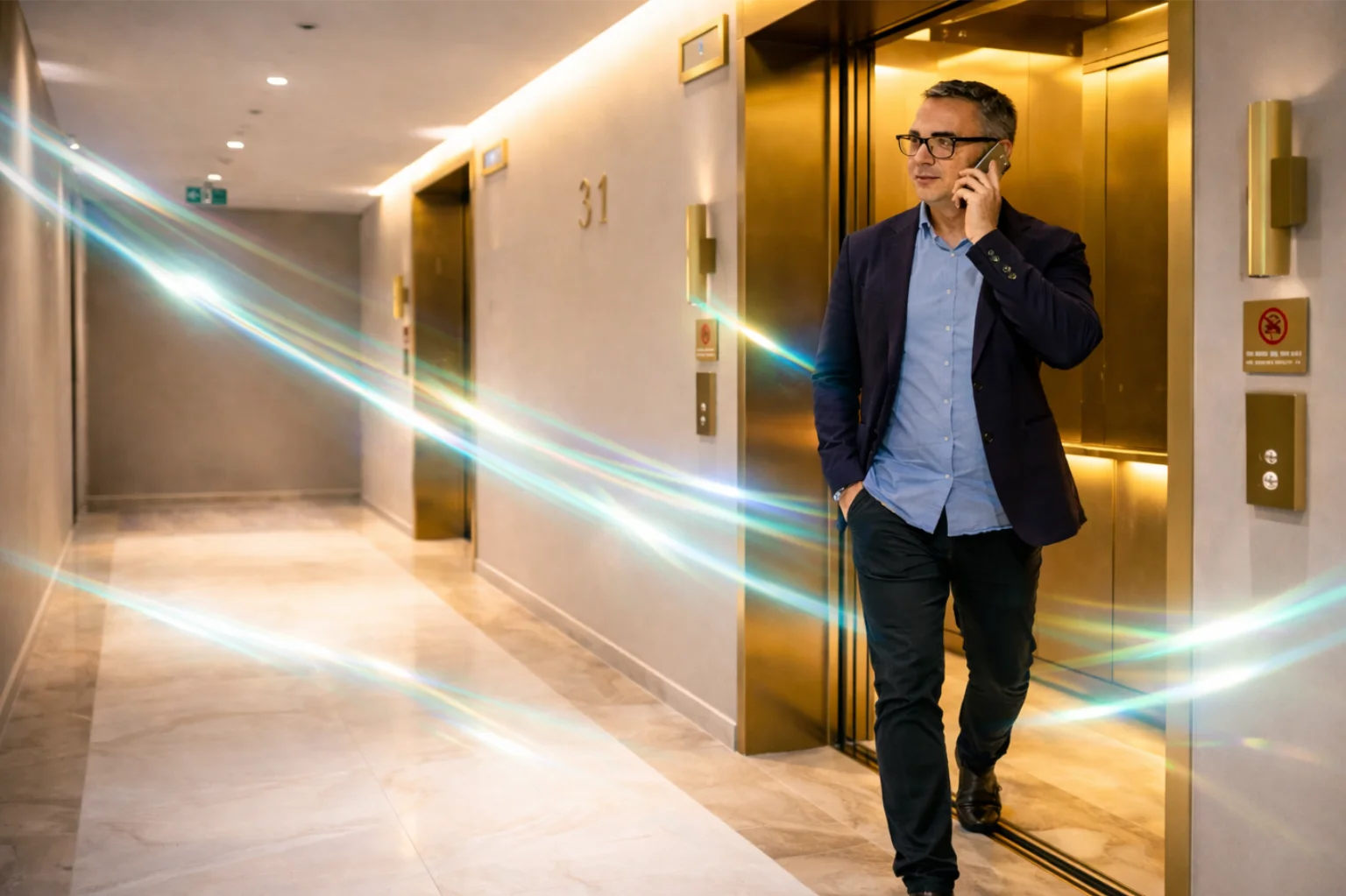
Omni can provide wall-to-wall coverage including in basements and lifts.
Full signal across the floor
Large floorplans and internal walls are no longer a problem with full-bar assured signal across the floor.
Lift shafts
Lift shafts are typically surrounded by dense concrete and metal that block signal.
Windows affect signal
Modern windows can block or weaken mobile signal, preventing outdoor network coverage from reaching inside.
Building layouts
Large floorplans and internal walls can disrupt signal propagation and create coverage gaps.
Lift signal
Omni can provide wall-to-wall coverage including in basements and lifts.
Full signal across the floor
Large floorplans and internal walls are no longer a problem with full-bar assured signal across the floor.
The case for a distributed antenna system
Discover how Freshwave bring reliable indoor mobile coverage using all-operator infrastructure designed for all sectors and building types.

DAS, small cells or a signal booster – which does your building need?
Signal boosters or repeaters amplify the outdoor signal to your building. These solutions provide variable coverage and capacity, with the network shared with outdoor users and no assurance on service quality or reliability. They are often not mobile network operator approved or provided as a managed service.
Indoor small cells (our Omni Network) provides dedicated 4G/5G signal to your building and its users. They are mobile network operator approved, connecting securely to their networks, to deliver assured connectivity throughout the building, for all users and devices. A more sustainable, smarter technology choice, small cells provide equivalent service quality to a DAS, with 60% less power, 20% more coverage and a fraction of the comms room space – deployed in half the time.
A distributed antenna system uses more power, requires more comms room space and is more costly than a small cell solution. It’s designed for the busiest and most complex buildings and campuses (including hospitals, stadiums and transport hubs).
Not sure which applies? A free site survey will tell you.
The benefits of better indoor connectivity
Reliable indoor mobile coverage improves the experience for everyone inside your building.
No more signal not-spots, get the assured connectivity in the areas you need it.
All operator connectivity for seamless signal, everyone can access.
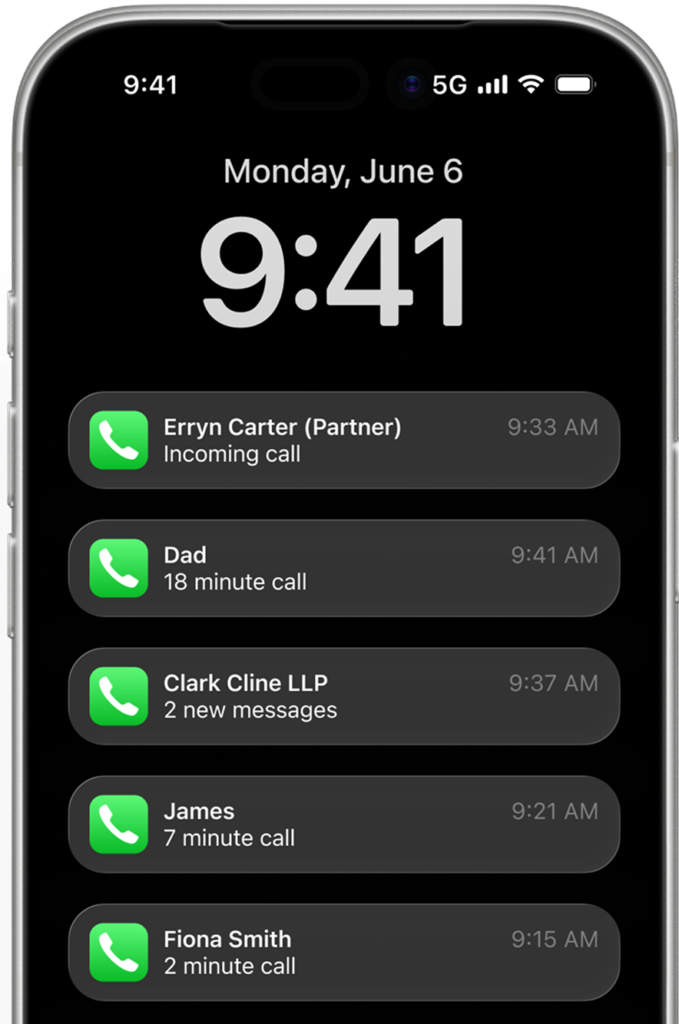
Indoor connectivity supports the growing number of connected devices used in modern buildings, from sensors to building management systems.
Mobile connectivity provides vital network resilience in case of Wi-Fi failure, preventing costly disruption to services.
80%
of mobile usage originates indoors (Ericsson)
89%
of occupiers say mobile signal is a top priority, because dropped bars mean missed opportunities (WiredScore)
5 mins
of bad connectivity a day = 1% lost productivity every year (Freshwave ROI report)
Partnering with all of the UK’s mobile network operators
Freshwave works in close partnership with all UK mobile network operators to extend their networks wherever you need them. This ensures your building benefits from reliable, multi-operator 4G and 5G connectivity, so everyone stays connected regardless of their provider.
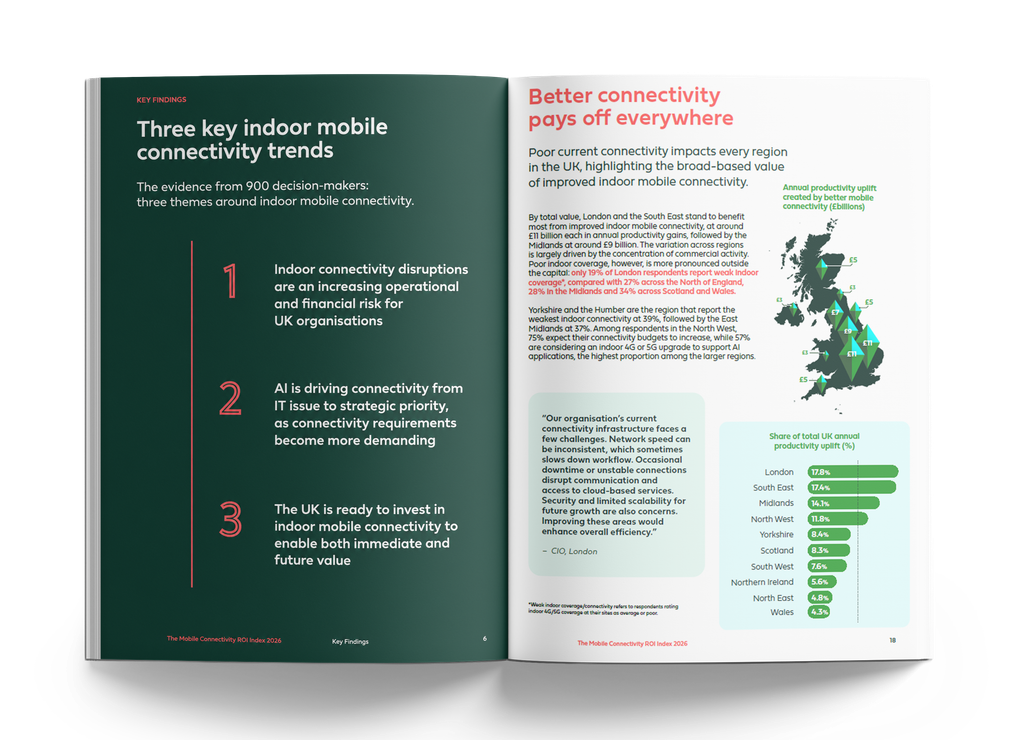
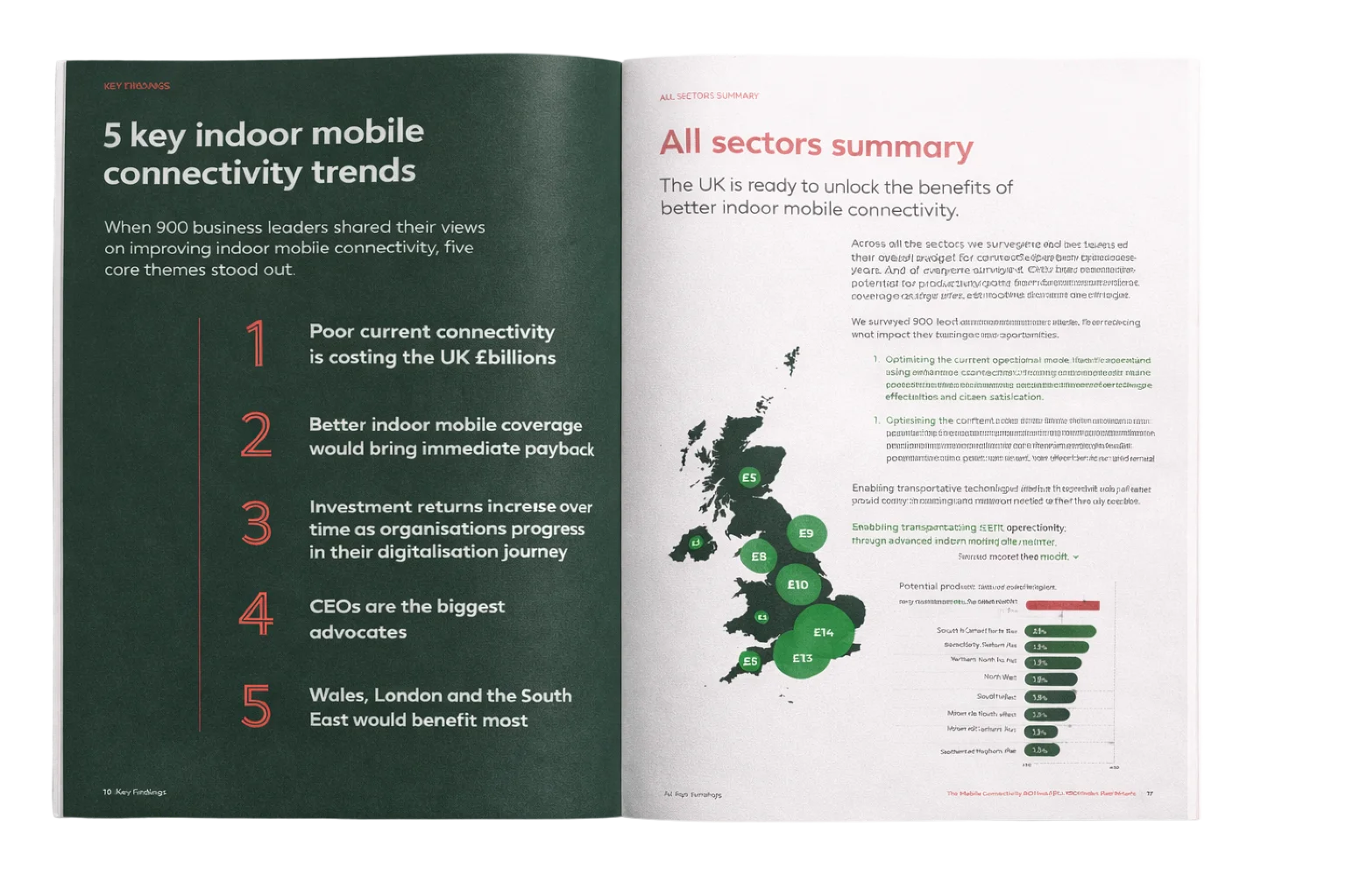
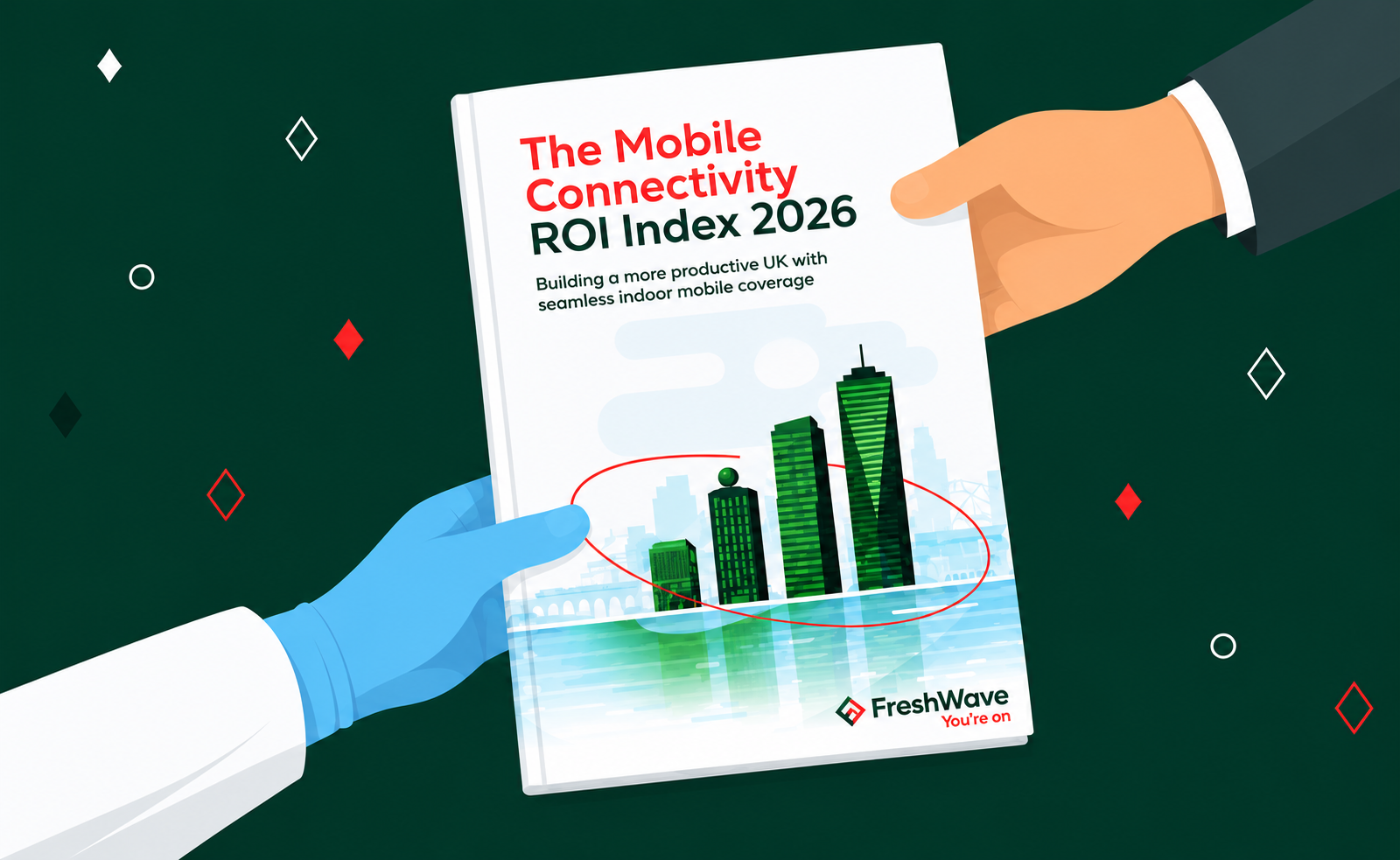
Download our report on the ROI of mobile connectivity
Research from Freshwave reveals how better indoor 4G and 5G connectivity could transform productivity, financial and operational performance and customer satisfaction across a wide range of different sectors.
Stories behind the signal
Find out more about
Omni 4G/5G

Find out more about